Dengan Kerjasama Brainey, Koberkat menawarkan diskaun kepada pembeli Madu kelulut keluaran mereka dan KoBerkat akan menikmati komisen yang telah dipersetujui.
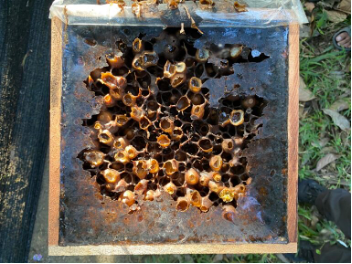
Stingless bee, or locally known as ‘lebah kelulut’ is a bee type that does not sting. I always call them the ancient “cool” bees as they are not dangerous. The bees have long existed since millions of years ago and only thrive in tropical and subtropical regions. The bees produce their honey in cerumen pots built by them at an average of 4kg of honey per colony each year. Mating only once, the queens have a productive lifespan of up to 7 years according to their species.
In comparison, worker bees and male drones may live for around 60-90 days only.
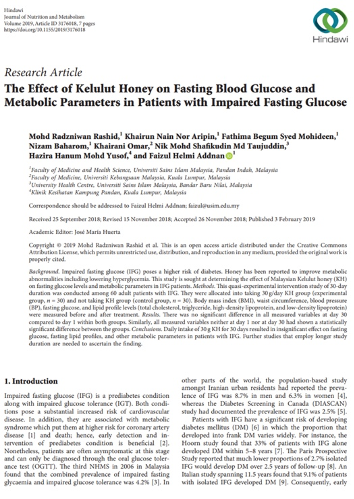
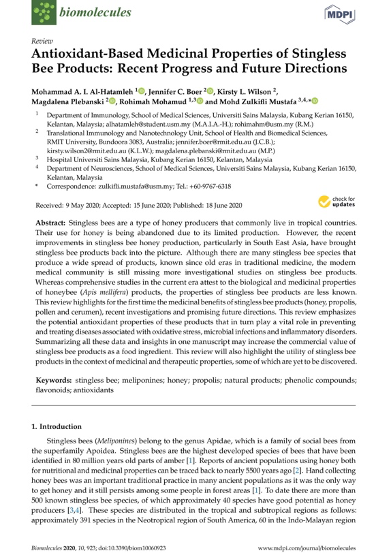
Stingless bee honey in specific has vast potential to be offered in various fields. For example, the content of polyphenolic compounds in the stingless bee honey, the antioxidants namely phenolic acids and flavonoids are outstanding, having as much as ten times greater contents of them in comparison to other types of honey. Thorough analyses have shown the various types of amino acids contained including phenylalanine, alanine, tyrosine, valine, acetate and trigonelline. Scientifically speaking, antioxidants have been highly-reputed as one of the compounds having potential in suppressing oxidative damage to cells, thus, capable of preventing chronic diseases such as cancer, stroke, hypertension and diabetes.
On the other side, phenylalanine has been consistently discovered in local isolates of stingless bee honey. Once consumed, the body changes phenylalanine into tyrosine, another type of amino acid that is needed to make proteins and brain chemicals including L-dopa, which is later converted into dopamine, epinephrine, and norepinephrine. In the brain, phenylalanine acts as a competitive antagonist at the glycine binding site of NMDA receptor and at the glutamate binding site of AMPA receptor. The proven pharmacologic activity at niacin receptor also links the possible phenylalanine effect on BDNF-tropomyosin receptor kinase B (trkB). Therefore, studies aiming to evaluate the phenylalanine of stingless bee honey effects on BDNF signaling pathways in promoting synaptogenesis (Murray and Holmes, 2011) and pruning neural networks as novel treatment approach for depression, Parkinson’s disease, Alzheimer’s disease and other brain-related diseases is seen credible enough to be explored.




 Users Yesterday : 0
 Users This Month : 0
 Users This Year : 210
 Total views : 20725
 Who's Online : 0